
Scoliosis Care and Bracing
Scoliosis is a three-dimensional curvature of the spine that may include side-to-side curvature and rotation of the rib cage or trunk. Treatment recommendations depend on the type of scoliosis, curve magnitude, and remaining growth.
At Great Lakes Orthopedic Labs, we emphasize precise shape acquisition and customization using digital technologies, including surface topography and digital X-ray overlay, with in-house fabrication for quality control and timely adjustments.
Common Types of Scoliosis We Treat
Idiopathic Scoliosis (most common)
Idiopathic scoliosis means scoliosis without a known underlying cause. It is most commonly identified during growth spurts.
- Infantile: birth to 3 years
- Juvenile: 4 to 9 years
- Adolescent: 10 years to skeletal maturity
Neurological / Neuromuscular Scoliosis
Neurological (neuromuscular) scoliosis is associated with conditions that affect muscle tone, strength, and postural control. Curve behavior and bracing goals may differ from idiopathic scoliosis and may include sitting balance, comfort, and function in addition to curve management.
Age Ranges and Treatment Focus
Early-Onset Scoliosis (typically under 10)
In younger children, treatment focuses on guiding growth, improving trunk alignment, and supporting development while carefully monitoring progression through rapid growth periods.
Adolescent Scoliosis (10 to skeletal maturity)
In adolescents, bracing is often considered when curves reach a treatment threshold and growth remains. The primary non-operative goal is to reduce the risk of curve progression through skeletal maturity.
Adults (skeletally mature)
For adults, orthotic management may be used to support posture, reduce pain, and improve function. Adult bracing goals are typically comfort and stability rather than growth modulation.
How Growth Impacts Bracing Decisions
Growth remaining is a key factor in predicting progression risk and determining the potential benefit of bracing.
Risser Score (skeletal maturity estimate)
The Risser score estimates skeletal maturity based on iliac apophysis development seen on pelvic imaging. In general, lower scores suggest more growth remaining and a higher risk of progression, while higher scores suggest less growth remaining.
Sanders Score (growth stage estimate)
The Sanders staging system estimates skeletal maturity using a hand X-ray. It is often used to better identify peak growth velocity timing, which can be important when assessing progression risk and bracing needs.
Important: Your physician determines Cobb angle, curve pattern, and growth stage. Orthotic recommendations are coordinated with the prescribing provider’s clinical plan and imaging findings.
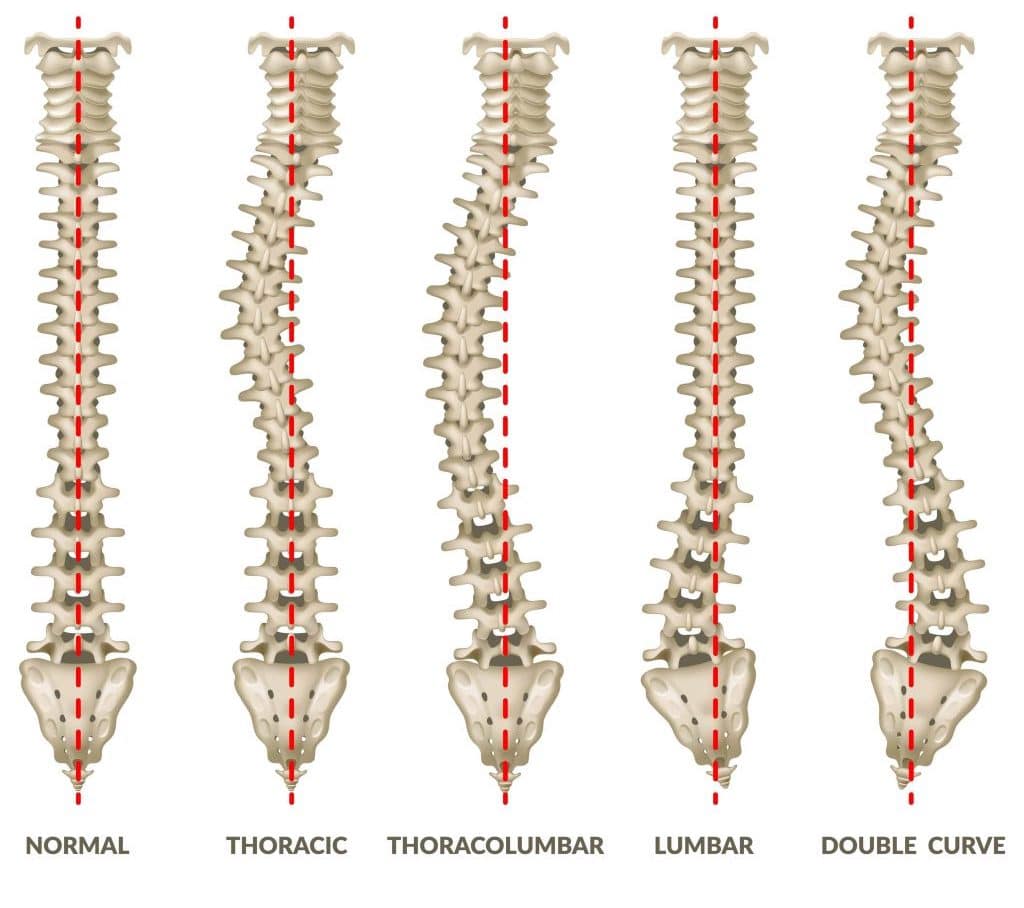
Clinical Presentation: Common Curve Patterns
Below are simplified examples of common curve presentations. These are visual guides only and not diagnostic.
Single Lumbar Curve (often presents as waist asymmetry)
Front view (simplified):
   Head
    |
   ( )
    |
   / \
  /   \     ← waist/hip shift often seen
 /     \
Single Thoracic Curve (often presents with rib prominence)
Front view (simplified):
   Head
    |
   /)      ← rib/trunk prominence may be noted
  / |
 /  |
/   |
Typical Right Thoracic + Left Lumbar (double pattern)
Front view (simplified):
   Head
    |
   /)      ← right thoracic prominence pattern
  / |
 /  |
 \  |      ← left lumbar counter-curve pattern
  \ |
   \|
Digital Shape Acquisition and Custom Modification
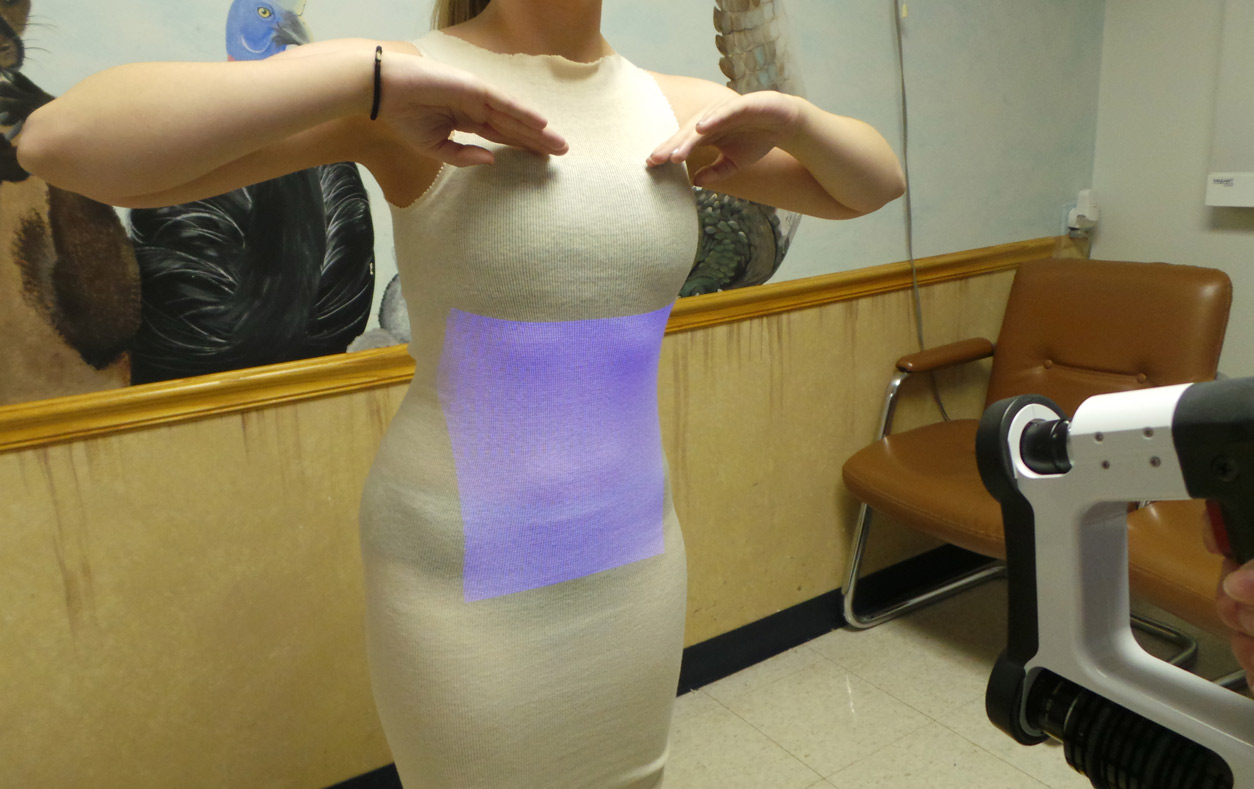
We use modern digital tools to capture body shape and guide orthotic design. Digital workflows can improve repeatability, documentation, and precision in brace fabrication and adjustments.
Digital Topography (Surface Shape Capture)
Digital topography (surface scanning/topography) captures a three-dimensional model of the torso. This supports design planning, trimline refinement, and brace modifications while tracking shape changes over time.
Digital X-ray Overlay for Treatment Planning
When appropriate and provided by the prescribing team, we can reference radiographic landmarks alongside the digital torso model to guide brace design decisions (curve region targeting, relief areas, and alignment goals). This helps the orthosis better match the clinical plan.
We promote in-house fabrication to maintain quality control, streamline adjustments, and support timely follow-up care.
Bracing Goals by Scoliosis Type
Idiopathic Scoliosis
- Primary goal: reduce risk of curve progression during growth
- Secondary goals: improve trunk balance, posture, and confidence
Neurological / Neuromuscular Scoliosis
- Goals may include sitting balance, comfort, positioning, and function
- Curve management approach is coordinated with the medical team and functional needs
Brace wear schedules, follow-up frequency, and clinical targets are individualized and directed by the prescribing physician and care team.
What to Expect at Great Lakes Orthopedic Labs
- Evaluation: posture review, measurements/shape capture, and discussion of functional goals
- Digital acquisition: surface topography/scan for brace design and documentation
- Design & fabrication: custom brace created with in-house fabrication workflow when applicable
- Fitting & adjustment: comfort, alignment, and function verified
- Follow-up visits: scheduled adjustments and progress monitoring through growth and treatment phases
Schedule a Scoliosis Brace Evaluation
If you have been referred for scoliosis bracing or have concerns about trunk asymmetry, we’re here to help. We work closely with your physician and therapy team to support the treatment plan.
Great Lakes Orthopedic Labs
1031 Main Street, Buffalo, NY 14203
Phone: 716-893-4116