Cranial Remolding Treatment
Cranial Remolding Helmet Therapy
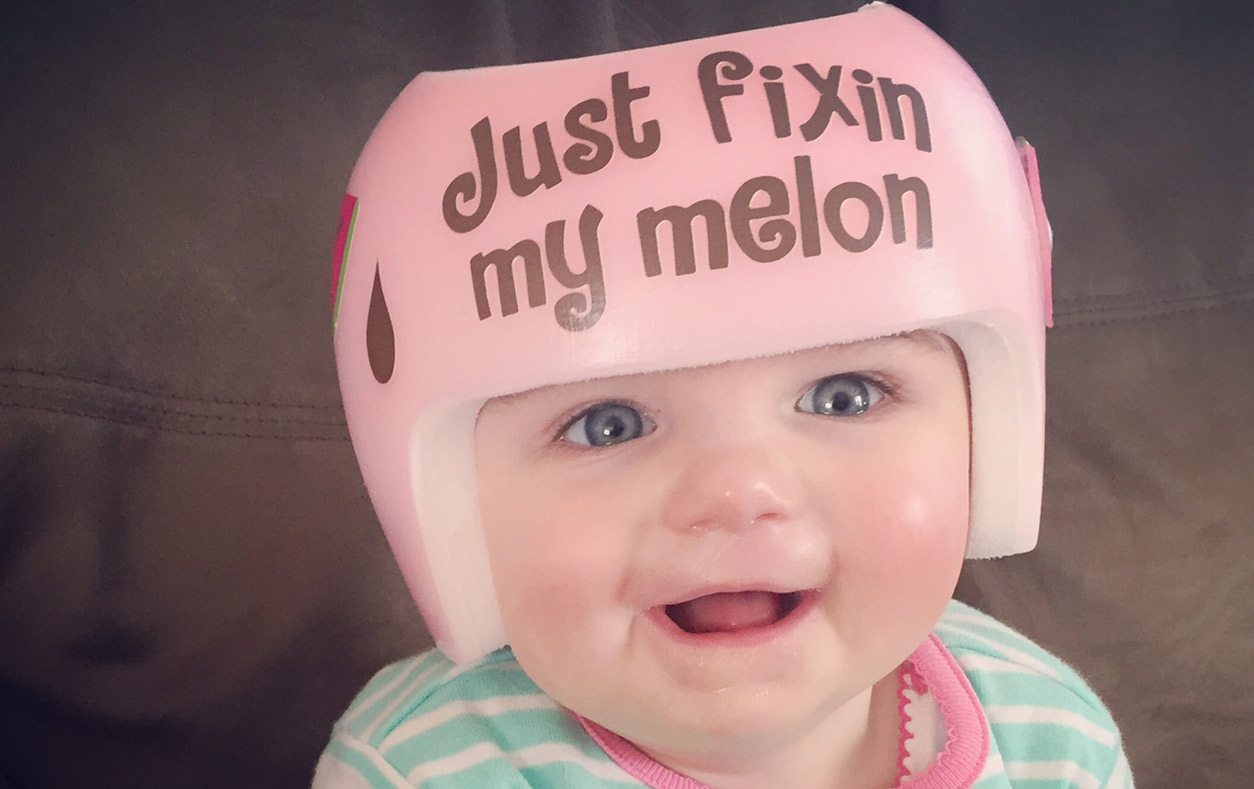
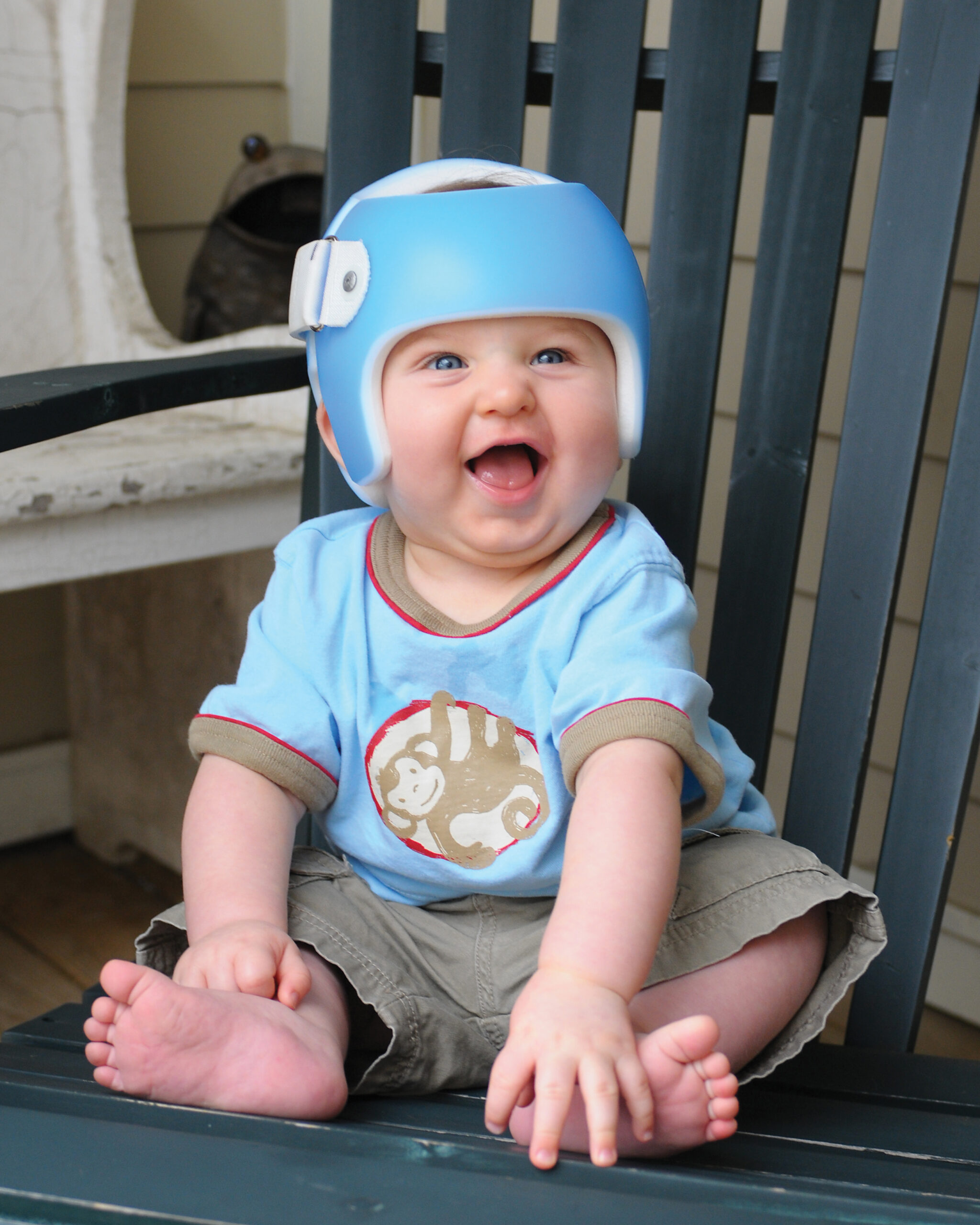
Orthomerica STARband® cranial remolding helmets for infants with positional head shape asymmetry.
Helmet Therapy
What is a cranial remolding helmet?
A cranial remolding helmet is a custom-fabricated medical orthosis designed to guide skull growth in infants with positional head shape asymmetry. The helmet works by allowing growth in flattened regions while gently redirecting growth away from prominent areas as the skull naturally expands.
At Great Lakes Orthopedic Labs, we provide Orthomerica STARband® cranial remolding helmets and closely monitor each child throughout treatment to ensure safe, effective progress.
Understanding Head Shape
What is plagiocephaly?
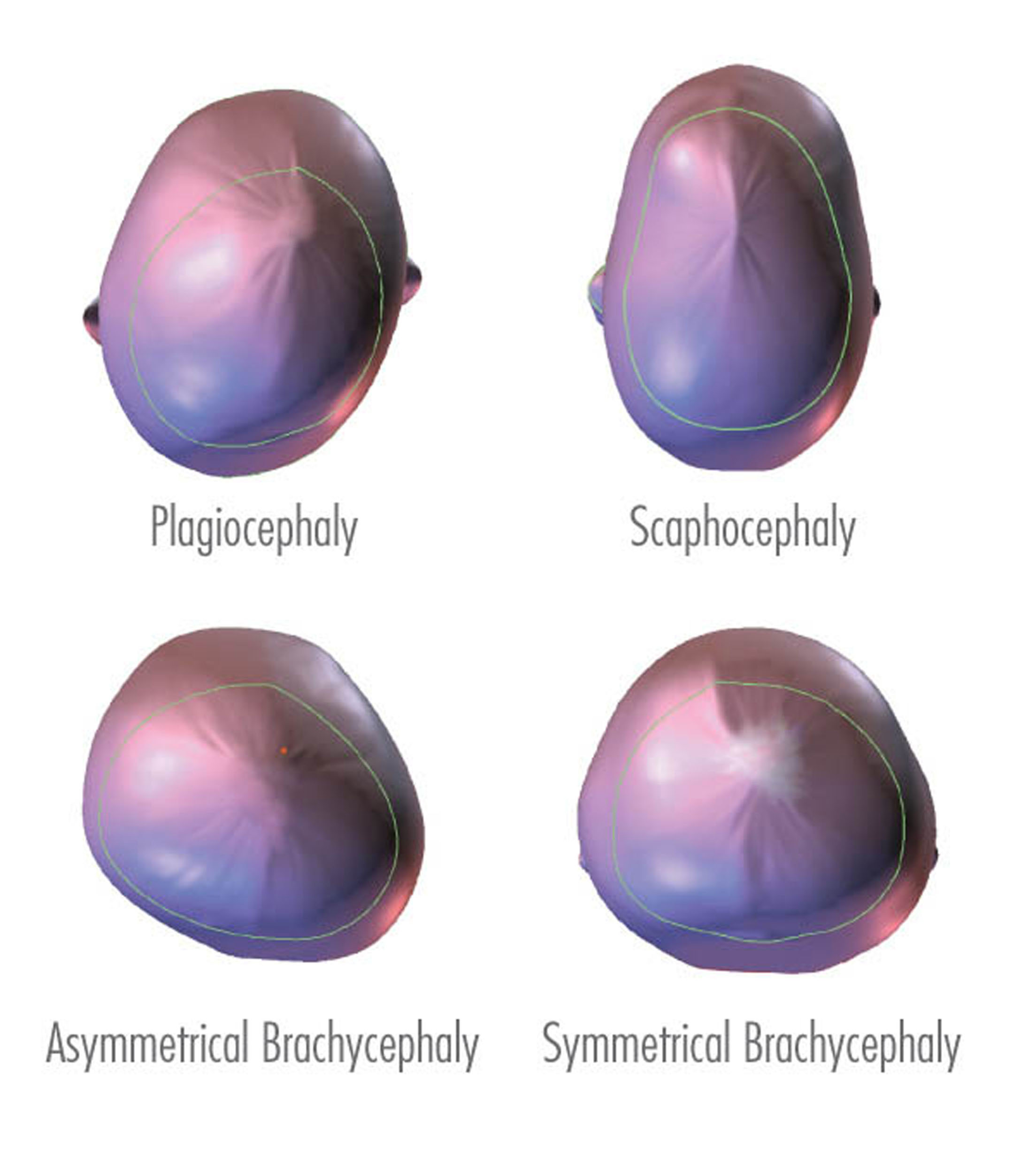
Plagiocephaly refers to asymmetry of an infant’s skull caused by external forces acting on a soft, developing head. It is most often positional in nature and is not related to brain development.
Common types of positional head shape differences
Deformational Plagiocephaly
Flattening on one side of the back of the head, often associated with head-turning preference or torticollis.
Deformational Brachycephaly
Flattening across the entire back of the head with increased head width.
Asymmetric Brachycephaly
A combined pattern of posterior flattening and asymmetry.
Dolichocephaly (Scaphocephaly)
A longer, narrower head shape, often seen in premature infants or extended side-lying positioning.
Recommendations
When is helmet therapy recommended?
Helmet therapy may be recommended when:
- Head shape asymmetry is moderate to severe
- Repositioning, tummy time, and/or physical therapy have not produced adequate improvement
- The infant is still within a rapid growth window where cranial remodeling is most effective
Each child is individually evaluated, and recommendations are coordinated with the referring neurosurgeon, or craniofacial team.
Treatment Schedule
Typical treatment duration and wear schedule
While every child’s treatment plan is individualized, most cranial remolding helmet treatments last approximately 12–16 weeks when started within the appropriate growth window.
Daily wear time
For optimal effectiveness, the helmet is worn 20–23 hours per day, with time out of the helmet reserved for:
- Bathing
- Cleaning the helmet
- Daily skin checks
Consistent wear is essential, as cranial remodeling relies on continuous guidance during natural head growth.
Treatment Process
What to expect during treatment
Initial Evaluation
Head shape assessment and medical history review
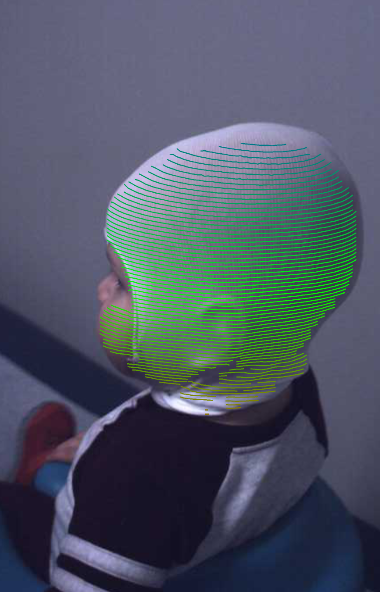
Digital Measurement or Scan
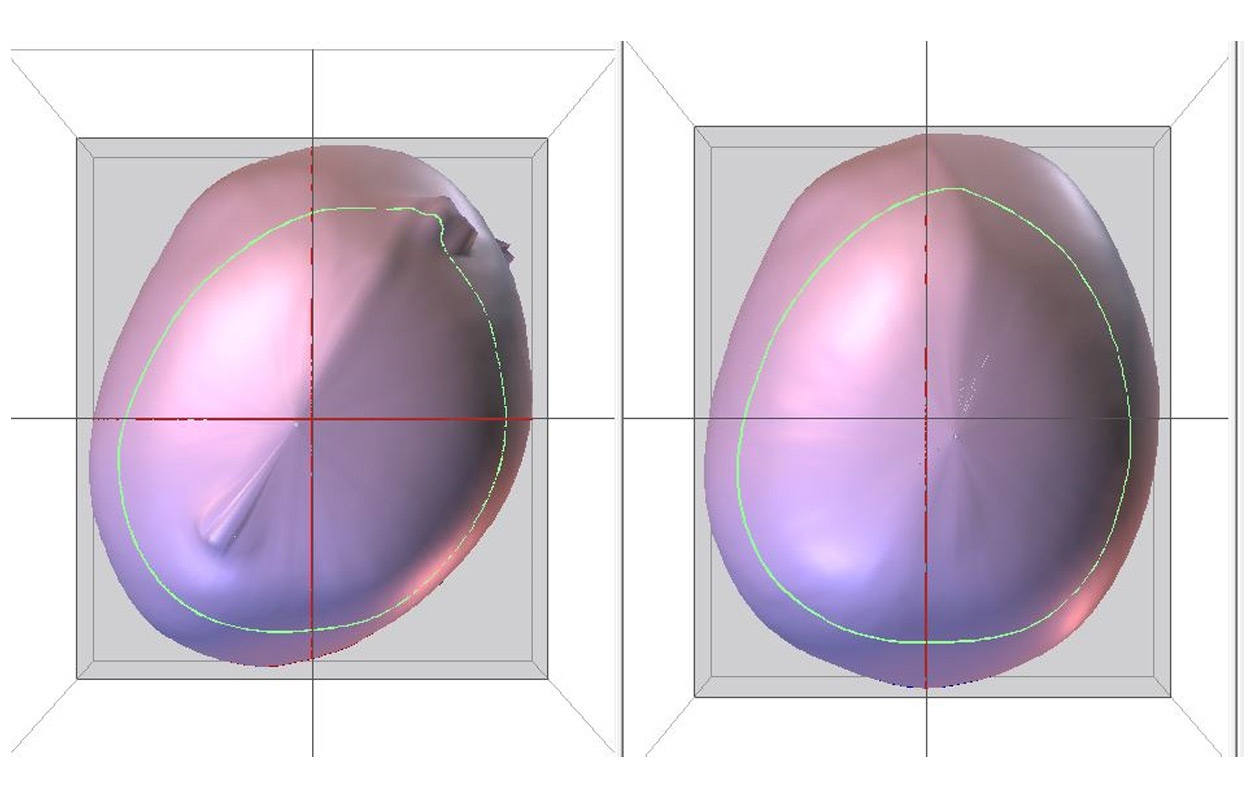
Non-invasive capture of head shape for helmet design
Custom Fitting
Precise adjustment of the STARband® for comfort and effectiveness
Follow-Up Visits
Regular visits for growth adjustments and treatment approximately every 3 weeks
Wear & Care
Wear schedule and skin monitoring
A short break-in period is typically used to allow the skin to adapt, gradually progressing to full-time wear over several days.
Normal skin response
- Light pink areas that fade within 30–60 minutes after helmet removal are normal
Contact our office if you notice:
- Redness lasting longer than 60 minutes
- Blistering, open skin, or worsening rash
- Areas of swelling or persistent discomfort
Daily Care
Cleaning and daily care (Wear & Care)
Proper cleaning helps prevent skin irritation and odor.
Clean Daily
Clean the inside of the helmet daily using unscented rubbing alcohol or mild soap as instructed
Do Not Soak
Do not submerge or soak the helmet
Dry Completely
Allow the helmet to dry completely before reapplication
Scalp Care
Keep the scalp clean and dry; avoid lotions or oils under the helmet unless directed
Post-Operative Care
Post-operative helmet therapy for craniosynostosis
Following surgical release for craniosynostosis—particularly after minimally invasive or endoscopic procedures—a cranial remolding helmet may be prescribed to guide skull growth during healing.
Surgeon’s Protocol
Is initiated according to the surgeon’s protocol
Surgical Correction
Helps maintain surgical correction during rapid growth
Coordinated Care
Requires close coordination between the surgical team and orthotist
Schedule a Visit
Questions about cranial remolding treatment?
Call our office and our team will help you with appointments, forms, and what to bring to your visit.